Sourcing.Verification.Archive.
The Solev methodology is structured around three non-negotiable operations: documented ingredient sourcing, independent batch verification, and permanent lot archiving. Every composition that leaves the Warsaw facility has passed through all three stages.
Documented Supplier Audit
Before any ingredient enters the Solev composition, its supplier undergoes a documentary audit. Required documentation includes: facility registration under food-supplement regulation, processing-environment specifications, and an existing certificate of composition from a recognised independent laboratory. Suppliers without complete documentation are not engaged.
Lot Receipt and Initial Logging
Upon receipt at the Warsaw facility, each incoming ingredient lot is assigned an internal lot number and logged against the corresponding supplier batch documentation. The receipt record includes: ingredient identity, declared concentration, supplier lot reference, date of receipt, and storage conditions. This record initiates the chain-of-custody documentation for the lot.
Third-Party Laboratory Submission
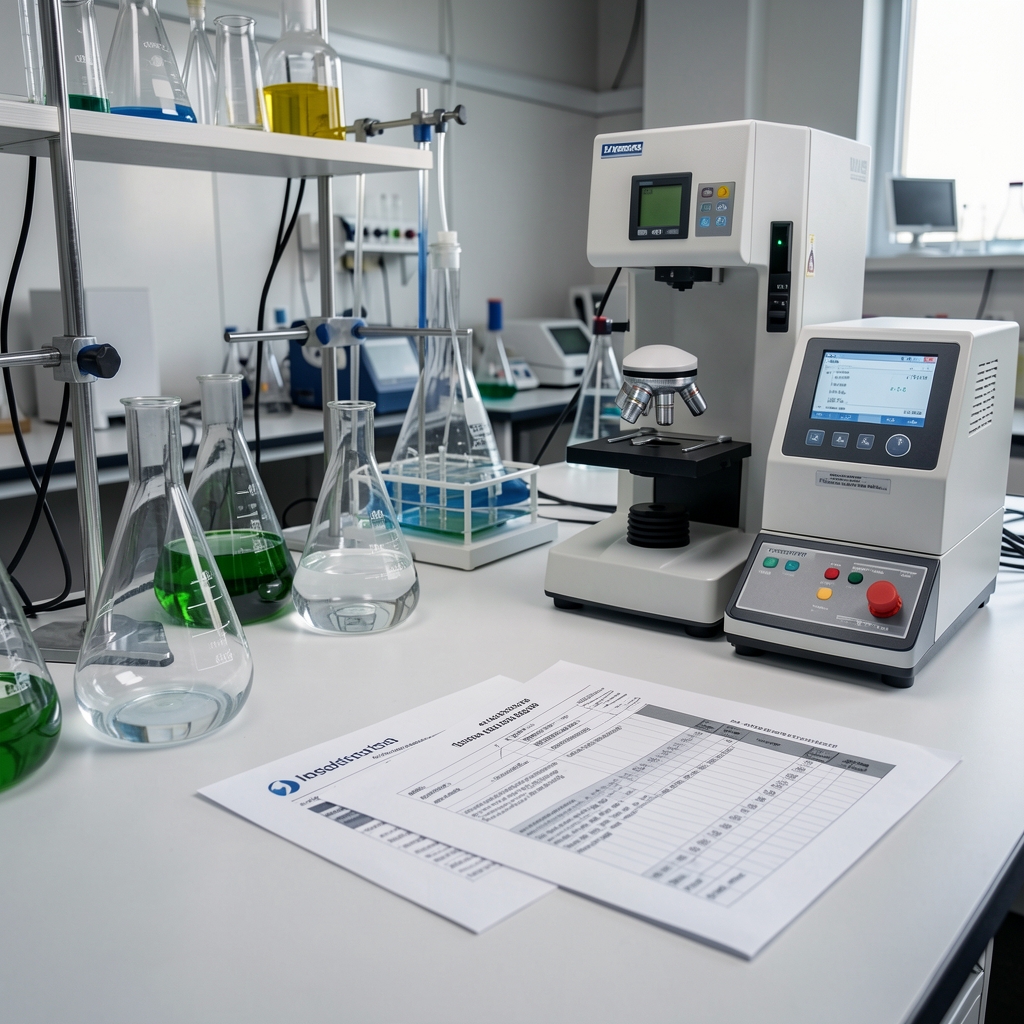
A representative sample from each production lot is submitted to the independent verification laboratory. The analysis scope includes elemental concentration by ICP-MS methodology, identity confirmation, and compositional labelling accuracy against declared values. The laboratory operates separately from Solev with no shared commercial interest. Results are returned as a signed analytical report within the lot archiving timeframe.
Composition and Encapsulation
Once the verification report confirms that elemental concentrations match the formulation specification, assembly is authorised. The composition is assembled according to the current revision brief, encapsulated in a food-grade shell, and labelled with the production lot code. No batch proceeds to assembly without a completed third-party report on file.
Permanent Lot Record Filing
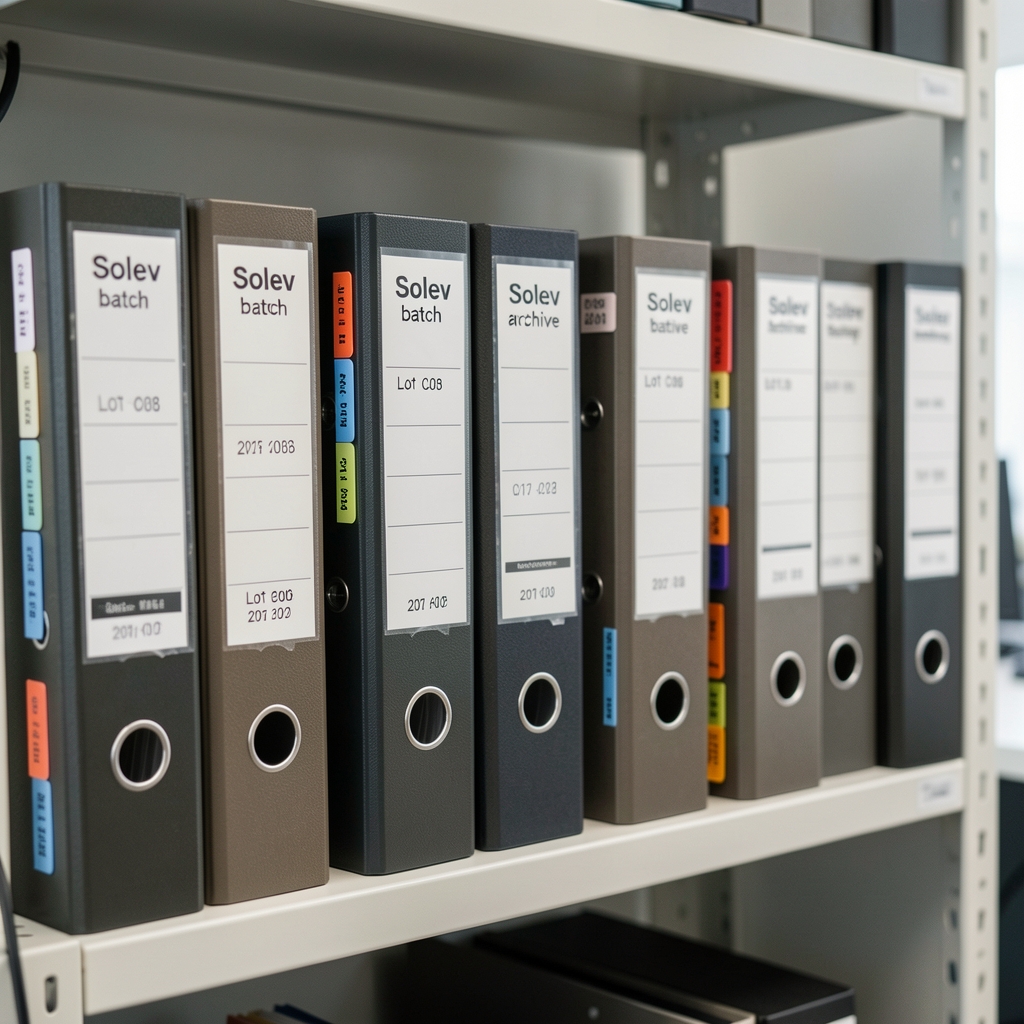
The completed lot record — comprising the supplier documentation, receipt log, third-party analytical report, assembly brief, and labelling confirmation — is filed permanently in the Solev archive. Records are indexed by lot code and retrievable upon request. The archive currently holds records for all production batches since 2019.
Formulation Review Cycle
The Solev formulation is reviewed against published nutritional literature on a periodic basis. A revision is initiated only when a documented basis exists for adjusting constituent selection or concentration. Each revision is assigned a new revision number, archived with its rationale, and referenced on labels from the first lot produced under the revised brief. The current formulation is revision 05-B.
Supplier Standards and Chain-of-Custody
Active ingredients are sourced from documented suppliers, with each batch accompanied by a certificate of composition. Sourcing prioritises suppliers whose facilities maintain food-grade processing standards. The full sourcing protocol — revision 02-C, updated 2023 — is available for review upon request.
The chain-of-custody record for each ingredient traces the material from the supplier facility through receipt, storage, analysis, and assembly. No gaps in the chain are acceptable — any lot with an incomplete chain-of-custody record is held from production until the documentation is complete.
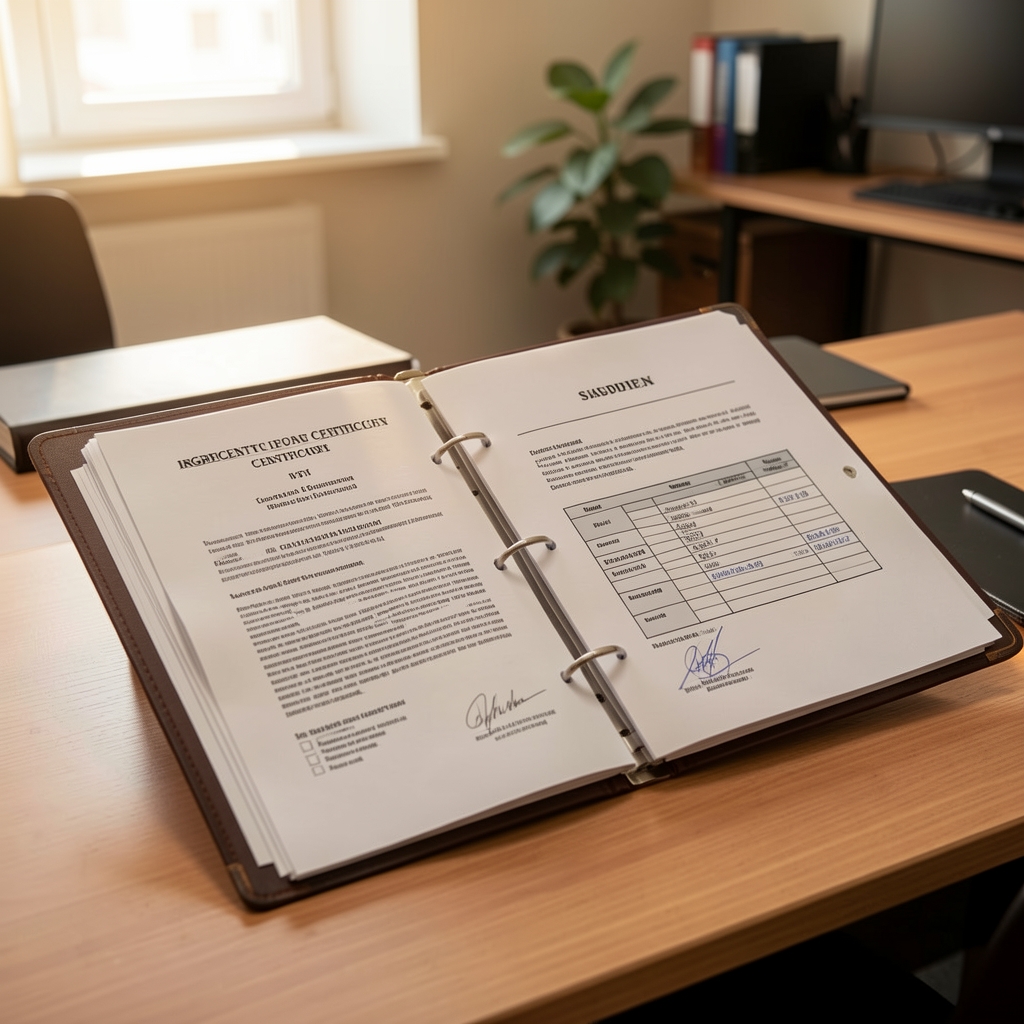
Certificate of Composition
Each incoming ingredient lot must carry a supplier-issued certificate of composition confirming identity, declared concentration, and batch number. This document is filed at the point of receipt and referenced throughout the lot lifecycle.
ICP-MS Elemental Analysis
Independent third-party elemental concentration analysis uses ICP-MS (inductively coupled plasma mass spectrometry) methodology, which provides quantitative elemental profiling at trace-level concentrations. Results are cross-referenced against the declared composition on the Solev label.
Lot Record Retrieval
Lot-specific records may be requested by contacting the Solev office directly with the batch code printed on the product label. Records are retrievable within three working days. Requests may be directed to [email protected] or by telephone at +48 22 473 58 91 during office hours.
Food-Supplement Classification
Solev products are nutritional food-supplements registered with the applicable local regulatory authority under food-supplement classification. Products meet compositional and labelling requirements for nutritional supplement categories.
Constituent Selection Criteria
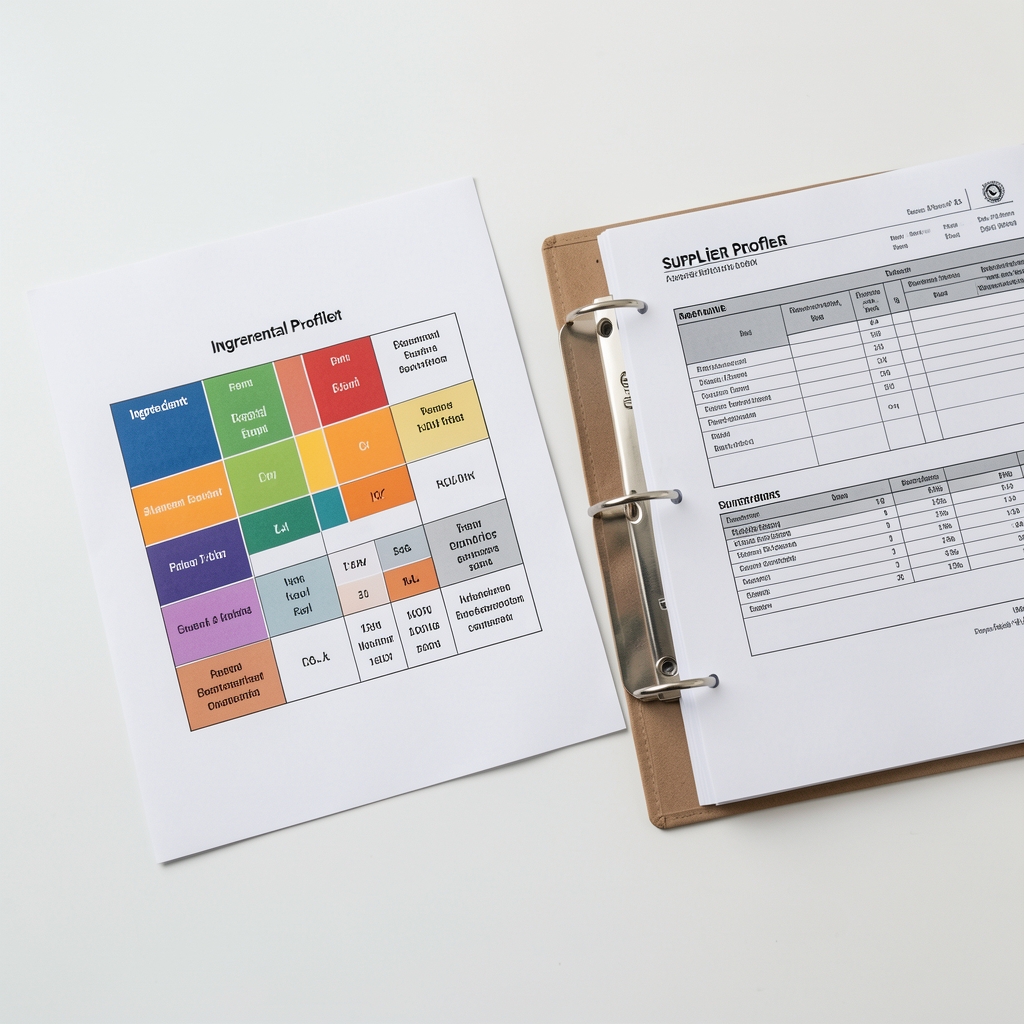
Ingredient profiles in Solev supplements are selected based on published nutritional research and undergo independent batch verification for quality and labelling accuracy. The selection criteria are not proprietary — they follow the published literature on micronutrient insufficiency in men's dietary patterns.
For each constituent, the following are documented in the formulation brief: ingredient identity and food-grade form, declared concentration per daily measure, supplier source, nutritional rationale citing specific published research, and the revision history of the constituent's inclusion.
"A supplement composition that cannot be traced to its ingredients at the lot level is not a composition — it is an assertion."
Revision Control
The Solev composition does not change with season, marketing cycle, or commercial pressure. A revision is initiated only when the formulation review identifies a published nutritional basis for adjustment. Each revision is assigned a revision number (e.g., 05-B), a date, and a written rationale archived alongside the batch record for the first lot produced under the revision.
Common questions about the Solev verification methodology.
The questions below address the most frequent enquiries received about sourcing, verification, and lot documentation. For enquiries not covered here, the Solev team is reachable at [email protected].
The verification laboratory is selected based on independence from Solev and documented competence in elemental analysis for food-supplement compositions. The laboratory maintains its own quality documentation and issues signed analytical reports. Solev does not have a commercial relationship with the laboratory beyond fee-for-service analysis.
Yes. Lot records are retrievable upon request within three working days. To request a record, contact [email protected] with the lot code printed on the product label. The record includes the supplier certificate, the third-party analytical report, and the assembly date.
Food-grade sourcing means that the supplier's processing environment meets the compositional and hygiene standards required for ingredients used in food-supplement production under applicable regulation. It does not imply any specific health claim or elevated specification beyond the regulatory standard for the food-supplement category.
The formulation review is conducted on a periodic basis, typically every 18-24 months, or when significant new nutritional research is published that is directly relevant to the constituent profile. A review does not automatically result in a revision — it results in a revision only when a documented basis for change is identified.
Zinc supports normal cognitive function and immune health. Magnesium contributes to normal energy metabolism and reduces tiredness. Vitamin D3 supports normal function of the immune system. Vitamin B12 contributes to normal energy production. Selenium contributes to protection of cells from oxidative stress. CoQ10 is involved in cellular energy production. These are documented nutritional roles per the current regulatory framework for nutrition labelling.